Erasmus Courses
Background
With over 20 years of experience in adult education, Romanian Angel Appeal (RAA) is a trusted provider of capacity-building programmes for professionals across education, health, youth, and social services.
RAA brings expertise in inclusive education, mental health, autism, social inclusion, wellbeing, non-formal education, and innovative teaching methodologies.
RAA delivers face-to-face and online learning in a variety of formats, from teacher training and whole-school initiatives to international partnerships, blended learning programmes, and digital education platforms.
As one of Romania’s early adopters of e-learning and distance education, RAA combines a strong track record with forward-thinking approaches such as participatory learning, gamification, and Design for Change.
Through national and international projects, including Erasmus+ partnerships, RAA equips teachers, healthcare professionals, psychologists, social workers, and youth workers with practical skills and high-quality learning experiences.
Expertise
Inclusive Education & Teacher Training
RAA works with teachers, schools, and educational professionals through programmes focused on inclusion, wellbeing, and innovative teaching.
Key areas:
- Whole-school approaches for inclusion and wellbeing
- Supporting children with special educational needs (SEN)
- Refugee integration and teaching Romanian as a foreign language
- Student-centred and participatory learning
- Socio-emotional development and mental health in schools
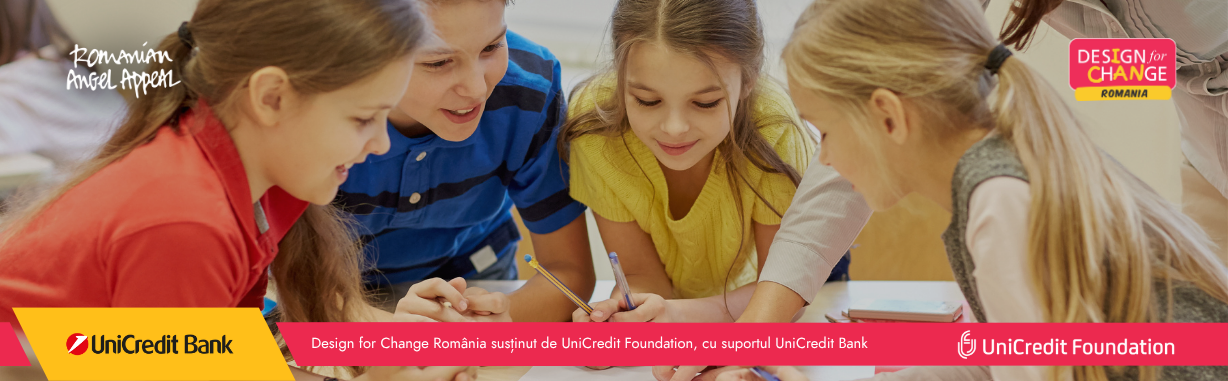
RAA also introduced Design for Change in Romania, empowering teachers to use project-based learning and engage students as active contributors in their communities.
Digital Learning & Educational Innovation
With two decades of experience — including some of Romania’s earliest e-learning initiatives — RAA designs flexible, technology-enhanced learning solutions.
Offerings include:
- Blended learning programmes
- E-learning platforms and digital educational resources
- Gamified learning activities
- International educational partnerships and mobility projects
Non-Formal Education & Youth Work
RAA uses non-formal education as a tool for participation, inclusion, and wellbeing, with a particular focus on adolescents and young people.
Programmes and activities:
- Peer education and youth participation initiatives
- Wellbeing and mental health workshops
- Intercultural learning and Erasmus+ exchanges
- European Solidarity Corps (ESC) volunteering
- Community-based learning experiences
Through Youth Hub and international partnerships, RAA creates spaces where young people and professionals exchange practices and develop participatory projects together.
Health Education & Professional Capacity Building
RAA has over 20 years of experience delivering training for healthcare and psychosocial professionals.
Areas of expertise:
- HIV prevention and multidisciplinary HIV care
- Tuberculosis prevention, screening, and psychosocial support
- Autism and neurodiversity
- Mental health and psychosocial support (MHPSS)
- Harm reduction and prevention
- Multidisciplinary case management and community interventions
Approach
RAA’s training programs are rooted in more than 20 years of direct fieldwork with vulnerable communities, public institutions, schools, healthcare systems and international partners.
Our trainings combine:
- practical tools and real-life case studies
- multidisciplinary perspectives
- participatory and non-formal learning methods
- international exchange and peer learning
- reflection, experimentation and applied practice
Participants – teachers, healthcare professionals, social workers, psychologists and youth workers – are encouraged to test new approaches and bring them directly into their classrooms, clinics and communities
RAA creates learning spaces where professionals can collaborate, experiment and grow.
These take many forms – workshops, blended learning programmes, Erasmus+ mobilities, communities of practice and long-term partnerships.
The goal is always the same: practical, sustainable responses adapted to real community needs